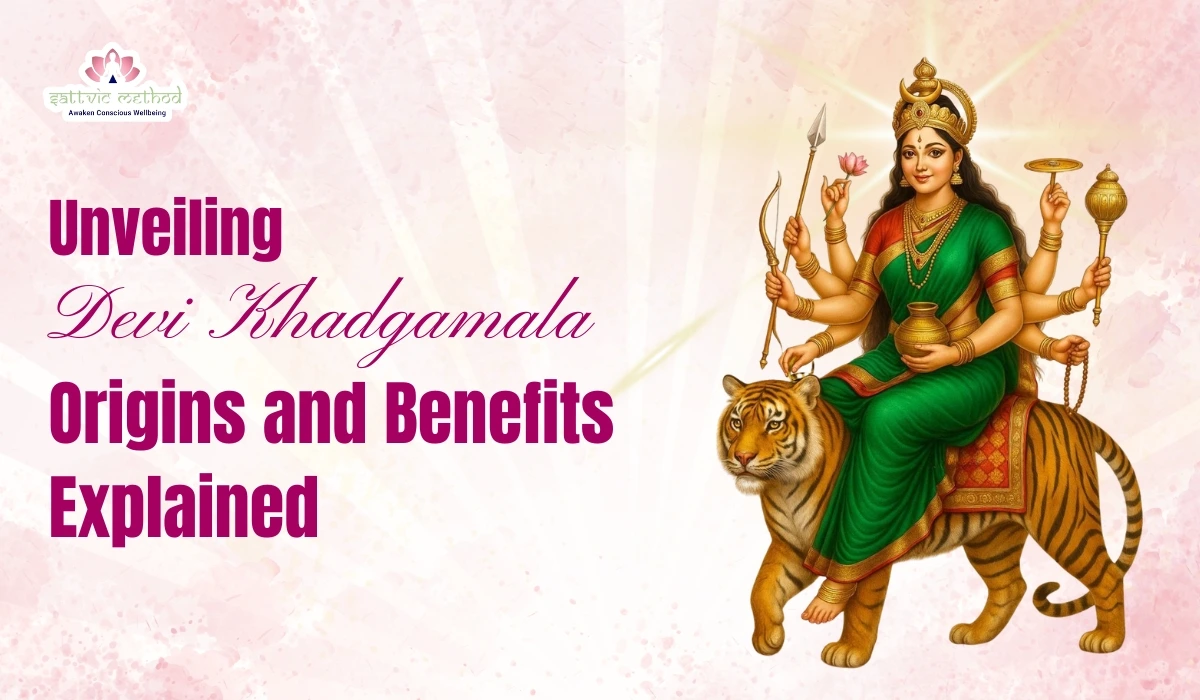
Unveiling Devi Khadgamala: Origins and Benefits Explained
Discover the ancient wisdom of Devi Khadgamala, a powerful mantra steeped in tradition. Uncover its origins and transformative benefits today!
Historical Origins of Devi Khadgamala
The origins of Devi Khadgamala trace back to ancient Indian scriptures and Vedic traditions, where it is regarded as a sacred hymn dedicated to the Goddess Lalita Tripura Sundari. This powerful mantra is believed to have been divinely revealed to the sages and seers during intense meditative states. It belongs to the Sri Vidya tradition of Hinduism, which venerates the divine feminine power, or Shakti, in her various manifestations. The term “Khadgamala” itself is a combination of two Sanskrit words: “Khanda” meaning sword and “mala” meaning garland, symbolizing a garland of swords that cuts through ignorance and illusion.
The hymn is mentioned in the Brahmanda Purana, one of the eighteen major Puranas, which highlights its significance and antiquity. The Brahmanda Purana contains detailed accounts of the Sri Vidya tradition and its various mantras, including the Devi Khadgamala. According to legend, the mantra was first revealed to the sage Agastya by Lord Hayagriva, an avatar of Vishnu, who is considered the teacher of all sacred knowledge. This divine transmission underscores the mantra’s revered status and its integral role in spiritual practices.
Over the centuries, the knowledge and practice of Devi Khadgamala were preserved and propagated by various spiritual lineages and guru-shishya (teacher-student) traditions. These lineages ensured that the wisdom encapsulated in the mantra was passed down through generations, maintaining its purity and potency. As a result, Devi Khadgamala continues to be a vital part of Hindu spiritual practices, revered for its profound spiritual and transformative effects.
Significance of Devi Khadgamala in Hindu Tradition
Devi Khadgamala holds a place of immense significance in Hindu tradition, particularly within the Sri Vidya school of thought. This mantra is not just a set of sacred syllables; it is a profound spiritual tool that embodies the essence of the divine feminine energy. It is believed to invoke the presence and blessings of Goddess Lalita Tripura Sundari, who is considered the epitome of beauty, grace, and supreme consciousness. Chanting this mantra is said to connect the devotee with the divine mother, leading to a deep sense of inner peace, protection, and spiritual elevation.
In the broader context of Hinduism, mantras play a crucial role in worship and meditation. They are considered to be the vibrational manifestations of divine energies. The Devi Khadgamala, with its specific structure and sequence, is designed to guide the practitioner through various levels of consciousness. Each name and form of the Goddess mentioned in the mantra represents a specific aspect of the divine, offering a holistic approach to spiritual growth. This comprehensive nature makes it a powerful tool for both personal transformation and universal harmony.
The mantra also has a ritualistic significance. It is often recited during important Hindu festivals, particularly those dedicated to the worship of the Goddess, such as Navaratri. During these times, the collective chanting of Devi Khadgamala by communities amplifies its spiritual energy, creating a ripple effect that benefits all participants. This communal aspect underscores the mantra’s role in fostering unity, devotion, and spiritual upliftment within the Hindu tradition.
The Structure of Devi Khadgamala: A Deep Dive
The structure of Devi Khadgamala is intricate and deeply symbolic, reflecting the multifaceted nature of the divine feminine. The mantra is composed of a series of names and attributes of the Goddess, each forming a link in the garland of swords. These names are not random but follow a specific sequence that guides the practitioner through different layers of consciousness and divine attributes. The mantra starts with an invocation and then progresses through a sequence of deities, each representing a particular aspect of the Goddess’s power and grace.
At its core, the Devi Khadgamala is divided into different sections, each dedicated to a specific group of deities or aspects of the Goddess. The initial part of the mantra invokes the primary forms of the Goddess, such as Bala Tripura Sundari, Rajarajeshwari, and Lalita. Following this, the mantra enumerates various aspects of the Goddess’s divine energy, such as her attendants, her weapons, and her various manifestations. Each name in the mantra is a symbol of a deeper spiritual principle, and reciting these names with devotion and concentration is said to unlock those principles within the practitioner.
The final section of the mantra is often dedicated to invoking the blessings and protection of the Goddess. This part typically includes verses that emphasize the protective and nurturing aspects of the divine mother. The structure of the Devi Khadgamala, therefore, serves a dual purpose: it acts as a comprehensive guide for spiritual growth and also as a powerful tool for invoking divine protection and blessings. This intricate structure makes the mantra a holistic spiritual practice that caters to various aspects of the practitioner’s life.
Spiritual Benefits of Chanting Devi Khadgamala
Chanting Devi Khadgamala offers a plethora of spiritual benefits that can profoundly transform one’s life. One of the most significant benefits is the deep sense of inner peace and tranquility that it brings. As the mantra guides the practitioner through the various names and forms of the Goddess, it helps to quiet the mind and focus the thoughts, creating a meditative state that is conducive to inner stillness. This sense of peace is not just temporary but can permeate every aspect of one’s life, leading to a more balanced and harmonious existence.
Another profound benefit of chanting Devi Khadgamala is the heightened sense of spiritual awareness it fosters. Each name and attribute of the Goddess mentioned in the mantra serves as a focal point for meditation, helping to deepen the practitioner’s understanding of divine principles. This heightened awareness can lead to profound spiritual insights and realizations, facilitating a deeper connection with the divine. Moreover, the mantra’s structure, which guides the practitioner through different levels of consciousness, helps to expand one’s spiritual horizons and elevate the soul.
The protective aspect of Devi Khadgamala is another crucial benefit. The mantra is believed to create a protective shield of divine energy around the practitioner, warding off negative influences and harmful energies. This protective energy is not just limited to the physical realm but extends to the mental and spiritual planes as well. Many practitioners report feeling a sense of safety and security after chanting the mantra, as if they are enveloped in the loving and protective embrace of the divine mother. This sense of protection can be particularly comforting in times of stress or uncertainty, providing a source of strength and reassurance.
Devi Khadgamala and Its Role in Rituals
Devi Khadgamala plays a pivotal role in various Hindu rituals, particularly those dedicated to the worship of the divine feminine. One of the most significant occasions for chanting this mantra is during the Navaratri festival, a nine-night celebration dedicated to the Goddess Durga and her various forms. During this festival, devotees often gather in temples and homes to collectively chant the Devi Khadgamala, invoking the presence and blessings of the Goddess. The communal chanting amplifies the spiritual energy, creating a powerful and uplifting atmosphere that benefits all participants.
In addition to festivals, Devi Khadgamala is also an integral part of daily worship and personal rituals for many practitioners. It is often recited during the morning or evening prayers as a way to begin or end the day with a sense of divine connection. The mantra’s structure, which includes invocations to various aspects of the Goddess, makes it a comprehensive prayer that addresses multiple facets of life, from protection and well-being to spiritual growth and enlightenment. This versatility makes it a valuable addition to any spiritual practice.
The mantra is also used in specific rituals aimed at overcoming obstacles and achieving specific goals. For example, devotees may chant Devi Khadgamala to seek the Goddess’s blessings for success in endeavors, health, and prosperity. The protective and nurturing aspects of the mantra make it particularly effective for rituals aimed at removing negativity and fostering positive energy. Many spiritual teachers recommend incorporating the mantra into personal rituals as a way to harness its transformative power and align oneself with the divine will.
How to Practice Devi Khadgamala: A Step-by-Step Guide
Practicing Devi Khadgamala requires dedication, focus, and a sincere heart. Here is a step-by-step guide to help you get started:
- Preparation: Find a quiet and clean space where you can sit comfortably without distractions. You may choose to light a lamp or incense to create a serene atmosphere. It’s also beneficial to take a few moments to calm your mind and set a clear intention for your practice.
- Invocation: Begin by offering a prayer to Lord Ganesha, the remover of obstacles, to ensure a smooth and focused practice. You can chant a simple Ganesha mantra or recite a short prayer.
- Initial Chanting: Start by chanting the initial invocations of Devi Khadgamala. These invocations are meant to prepare your mind and body for the mantra. They often include salutations to the primary forms of the Goddess, such as Bala Tripura Sundari and Rajarajeshwari.
- Main Chanting: Proceed to the main part of the mantra, where you will chant the names and attributes of the Goddess in a specific sequence. Take your time with each name, focusing on its meaning and significance. You may use a mala (prayer beads) to keep track of the count if you are doing multiple rounds.
- Closing: After completing the main chanting, offer a closing prayer to thank the Goddess for her presence and blessings. You can also chant a few verses of the mantra as a way to conclude your practice on a positive note.
- Meditation: Spend a few moments in silent meditation, allowing the vibrations of the mantra to settle within you. This is a crucial step as it helps to integrate the spiritual energy generated by the chanting.
- Regular Practice: Consistency is key to experiencing the full benefits of Devi Khadgamala. Aim to incorporate the mantra into your daily routine, even if it’s just for a few minutes each day. Over time, you will likely notice a deepening of your spiritual awareness and a greater sense of inner peace.
Common Misconceptions about Devi Khadgamala
Despite its profound significance and benefits, there are several misconceptions about Devi Khadgamala that can deter people from practicing it. One common misconception is that the mantra is exclusively for advanced practitioners or those belonging to specific spiritual lineages. While it is true that the mantra is traditionally passed down through guru-shishya relationships, it is not restricted to any particular group. Anyone with a sincere heart and a genuine desire for spiritual growth can benefit from chanting Devi Khadgamala.
Another misconception is that the mantra is purely ritualistic and lacks practical relevance. On the contrary, Devi Khadgamala is a powerful tool for personal transformation and spiritual growth. Its structure and sequence are designed to guide the practitioner through different levels of consciousness, offering a comprehensive approach to spiritual practice. Moreover, the mantra’s protective and nurturing aspects make it highly relevant for addressing real-life challenges and fostering a sense of well-being.
There is also a misconception that chanting Devi Khadgamala requires perfect pronunciation and a deep understanding of Sanskrit. While accurate pronunciation can enhance the mantra’s effectiveness, it is not a prerequisite for experiencing its benefits. What matters most is the sincerity and devotion with which the mantra is chanted. Even beginners who may struggle with the pronunciation can benefit from the mantra’s spiritual energy as long as they approach it with a pure heart and a focused mind.
Testimonials: Personal Experiences with Devi Khadgamala
Numerous practitioners have shared their transformative experiences with Devi Khadgamala, highlighting its profound impact on their lives. One such practitioner, Anjali (name altered), recounts how chanting the mantra helped her overcome a period of intense anxiety and stress. She began incorporating Devi Khadgamala into her daily routine, and within a few weeks, she noticed a significant reduction in her anxiety levels. The mantra brought her a sense of inner peace and stability, allowing her to navigate life’s challenges with greater ease.
Another devotee, Rajesh (name altered), shares his experience of using Devi Khadgamala to seek divine protection during a difficult phase in his life. Facing financial difficulties and personal setbacks, Rajesh turned to the mantra as a source of strength and guidance. The protective energy of the mantra helped him feel secure and supported, and over time, he began to see positive changes in his circumstances. Rajesh credits Devi Khadgamala for helping him regain his confidence and sense of purpose.
A spiritual teacher, Swami Sivananda, emphasizes the holistic benefits of Devi Khadgamala in his teachings. He has witnessed numerous students experience profound spiritual growth and transformation through regular practice of the mantra. According to Swami Sivananda, Devi Khadgamala not only enhances one’s spiritual awareness but also fosters a deep sense of connection with the divine. He encourages his students to embrace the mantra as a powerful tool for personal and spiritual development.
Conclusion: Embracing the Power of Devi Khadgamala
In conclusion, Devi Khadgamala is a mantra of immense spiritual significance and transformative power. Its historical origins, deeply rooted in ancient Vedic traditions, underscore its revered status in Hinduism. The mantra’s intricate structure and profound symbolism offer a comprehensive approach to spiritual practice, guiding the practitioner through various levels of consciousness and divine attributes. Chanting Devi Khadgamala brings numerous spiritual benefits, including inner peace, heightened awareness, and divine protection.
The role of Devi Khadgamala in rituals and personal practices further highlights its versatility and relevance. Whether chanted during festivals, daily prayers, or specific rituals, the mantra serves as a powerful tool for invoking the blessings and presence of the divine feminine. Practicing Devi Khadgamala requires dedication and sincerity, but the rewards are well worth the effort. The mantra offers a path to spiritual growth and transformation, fostering a deep sense of connection with the divine.
Despite common misconceptions, Devi Khadgamala is accessible to all sincere practitioners, regardless of their level of expertise or background. Testimonials from devotees and spiritual teachers attest to the mantra’s profound impact on their lives, offering a source of inspiration and guidance for those seeking to embrace its power. By incorporating Devi Khadgamala into our spiritual practices, we can tap into its transformative energy and experience the profound benefits it brings.
In embracing Devi Khadgamala, we open ourselves to the divine grace and protection of the Goddess, fostering a deeper connection with the sacred and a greater sense of inner harmony. Let us, therefore, honor this ancient wisdom and make it a cherished part of our spiritual journey, allowing its transformative power to illuminate our path and uplift our souls.
Originating from the ancient tantric tradition, Sri Devi Khadgamala is known to be a powerful tool for self-realization, spiritual awakening, and conscious expansion. This sacred chant invokes the divine feminine energy and aligns the practitioner with the cosmic forces, allowing them to tap into their inner power and connect with the divine.
Sri Devi Khadgamala storam is an ancient Sanskrit hymn, composed of 1,000 names of the goddess, holds profound significance and has a transformative effect on the mind, body, and soul.
The benefits of chanting Sri Devi Khadgamala are wide-ranging and impactful. From promoting mental clarity and emotional balance to enhancing intuition and fostering spiritual growth, practitioners have reported experiencing profound positive changes in their lives. Additionally, this ancient practice is said to remove negative energies, purify the mind, and bring about a sense of inner joy and contentment.
Join us on a journey as we delve deeper into the origins and immense benefits of chanting Sri Devi Khadgamala, unlocking the power that lies within and paving the way for a more meaningful and fulfilling life.
The origin and history of Sri Devi Khadgamala
The Sri Devi Khadgamala is an ancient and revered text rooted in the rich traditions of Hinduism and tantra. Its origins can be traced back to the pre- medieval period in India, where it was composed as a means to invoke the goddess Durga, who embodies the divine feminine energy. The term “Khadgamala” translates to “garland of swords,” symbolizing the protective and empowering nature of the goddess. This hymn is not just a collection of verses; it is a spiritual weapon that practitioners believe can cut through ignorance and negativity.
Historically, the Khadgamala is associated with the Shakta tradition, which emphasizes the worship of the divine feminine. This tradition honors the goddess as the supreme force of creation, destruction, and transformation. The text itself consists of 1,000 names of the goddess, each representing different aspects of her divine nature. The chanting of these names is believed to align the devotee with the goddess’s energy, allowing for spiritual upliftment and personal empowerment. Over the centuries, the Khadgamala has been preserved as a sacred scripture, with various commentaries and interpretations enriching its significance in contemporary practice.
The popularity of the Sri Devi Khadgamala has continued to grow, particularly in the modern era, as more individuals seek spiritual practices that resonate with their quest for inner peace and self-realization. In addition to its historical and cultural significance, the Khadgamala is recognized for its role in various rituals, ceremonies, and meditative practices. As the world evolves, this ancient hymn remains a powerful tool for those looking to unlock their inner potential and connect with the divine feminine energy that permeates all existence.
Understanding the significance of chanting Sri Devi Khadgamala
Chanting the Sri Devi Khadgamala holds immense significance for spiritual practitioners, as it serves as a bridge between the individual and the divine. The act of repetition in chanting is not merely a vocal exercise; it is a form of meditation that helps to focus the mind and elevate consciousness. Each name in the Khadgamala is imbued with specific energies and vibrations, which are believed to resonate with the practitioner’s own energy fields. This resonance allows for a profound connection to the goddess and a deeper understanding of oneself.
Moreover, chanting this sacred hymn is an invocation of the divine feminine, which is crucial in a world often dominated by masculine energy. By embracing the energy of the goddess, practitioners can cultivate qualities such as compassion, nurturing, and intuition, which are essential for holistic well-being. The Khadgamala acts as a reminder of the balance between masculine and feminine energies within us, promoting a sense of harmony that is often lacking in our fast-paced lives. This balance is particularly relevant in today’s context, where many individuals feel disconnected from their true selves.
Chanting the Khadgamala is also a way to honor the lineage of spiritual seekers who have come before us. This practice links the present to the ancient traditions of worship, creating a continuity of spiritual growth and understanding. By engaging in this time-honored practice, individuals not only deepen their personal spiritual journey but also contribute to the preservation of cultural heritage. Each chant is an offering, a way to express gratitude and reverence for the divine forces that guide and protect us.
The benefits of regularly practicing Sri Devi Khadgamala chanting
The practice of regularly chanting Sri Devi Khadgamala brings forth a multitude of benefits that extend beyond the spiritual realm. One of the most immediate advantages is the promotion of mental clarity and focus. In a society bombarded with distractions, maintaining concentration can be challenging. The rhythmic repetition of the Khadgamala helps to quiet the mind, allowing practitioners to cultivate a heightened state of awareness. This clarity can enhance decision-making skills and improve productivity in everyday life.
Emotionally, chanting the Khadgamala acts as a powerful tool for balance and healing. Many practitioners report feeling a sense of peace and tranquility after chanting, which can alleviate feelings of anxiety and stress. The soothing vibrations of the chant resonate within, creating a calming effect that encourages emotional regulation. Over time, this practice can lead to a more resilient mindset, enabling individuals to navigate life’s challenges with grace and composure. The emotional healing that comes from this practice often leads to improved relationships, as individuals become more attuned to their feelings and the feelings of others.
On a spiritual level, the benefits of the Sri Devi Khadgamala extend to fostering a deeper connection with the divine. Regular chanting can enhance intuition and spiritual insight, allowing practitioners to tap into their inner wisdom. This connection can lead to a greater understanding of one’s life purpose and the unfolding of spiritual gifts. Additionally, the act of chanting is said to purify the mind and soul, removing negative energies and promoting a sense of inner joy and fulfillment. Practitioners often find that their spiritual paths become clearer and more defined through this sacred practice.
How to properly chant Sri Devi Khadgamala
To fully experience the benefits of chanting Sri Devi Khadgamala, it’s important to approach the practice with intention and reverence. Begin by finding a quiet space where you can focus without interruptions. Setting up a small altar with images or symbols of the goddess can create a sacred environment that enhances your connection to the chant. It is also helpful to have a printed version of the Khadgamala or a recording to guide you through the chanting process, especially if you are new to the practice.
When you are ready, take a few moments to center yourself. Begin with deep breathing exercises to calm the mind and prepare your body for the practice. As you start chanting, focus on the pronunciation of each name, allowing the sound to resonate within you. It is recommended to chant in a slow and deliberate manner, gradually increasing the pace as you become more comfortable with the verses. The goal is to immerse yourself in the vibration of the chant, letting it wash over you and create a sense of unity with the goddess.
It’s advisable to set a specific duration for your chanting practice, whether it be 15 minutes or an hour. Regularity is key; try to incorporate this practice into your daily routine, perhaps in the morning to set a positive tone for the day or in the evening as a way to unwind. As you progress, you may choose to explore different styles of chanting, such as group chanting or incorporating musical instruments. Each method can enhance your experience and deepen your connection to the divine energy embodied in the Khadgamala.
You can also join our Devi Khadgamala Chanting class by signing up here.
Exploring the different stages of Sri Devi Khadgamala chanting
Chanting Sri Devi Khadgamala can be viewed as a journey with distinct stages that enhance the overall experience and deepen the practitioner’s connection to the divine. The first stage is that of preparation, where one creates a sacred space and mentally prepares for chanting. This stage is crucial, as it sets the tone for the practice. During this time, practitioners often engage in meditation or prayer to invoke the goddess’s presence, helping to establish a focused and dedicated mindset.
The second stage involves the actual chanting process. Here, the practitioner immerses themselves in the sound of the Khadgamala, allowing the vibrations to resonate within. It is during this stage that the mantra becomes a vehicle for connection. As the names are chanted, practitioners may experience various sensations, emotions, or insights that arise, representing their unique journey. This stage is about surrendering to the experience and allowing the chant to guide one’s consciousness.
The final stage is reflection and integration, where practitioners take time to absorb the experience. After chanting, it is beneficial to sit in silence or journal about any insights or feelings that emerged during the practice. This stage allows for the processing of experiences and the incorporation of newfound clarity into daily life. By recognizing the transformative power of the chant and celebrating the connection with the goddess, practitioners can deepen their commitment to the practice and its benefits.
Personal experiences and testimonials of those who practice Sri Devi Khadgamala chanting
Many individuals who have embraced the practice of chanting Sri Devi Khadgamala share transformative experiences that highlight the profound impact it has on their lives. For some, the chanting serves as a powerful source of healing, enabling them to release past traumas and negative emotions. One practitioner recounted how, after several weeks of regular chanting, she felt a significant shift in her emotional state. The feelings of heaviness and sadness that once clouded her mind began to dissipate, replaced by a sense of lightness and joy.
Others have noted improvements in their mental clarity and focus. A busy professional shared that incorporating the Khadgamala into her morning routine helped her navigate her hectic work environment with greater ease. By starting her day with the chant, she felt more centered and equipped to handle challenges as they arose. This newfound clarity not only enhanced her productivity but also positively influenced her relationships with colleagues, as she approached interactions with a calm and open mindset.
Many practitioners also report a deepened spiritual connection through chanting the Khadgamala. One individual described how the practice opened up channels of intuition and guidance. Through consistent chanting, they began to receive insights and messages that clarified their life purpose, leading to a more fulfilling and aligned existence. These personal testimonials underscore the multifaceted benefits of the practice, illustrating how chanting Sri Devi Khadgamala can foster profound transformation on mental, emotional, and spiritual levels.
Additional tools and resources for enhancing your Sri Devi Khadgamala chanting practice
To enhance your experience of chanting Sri Devi Khadgamala, various tools and resources can complement the practice. One effective tool is the use of mala beads, which are traditionally used in many spiritual practices to assist with mantra recitation. A mala typically consists of 108 beads, allowing practitioners to count their repetitions of the chant. Using mala beads can help maintain focus and deepen the meditative aspect of the practice, creating a tangible connection to each name being chanted.
In addition to mala beads, incorporating music or sound can elevate the chanting experience. Many practitioners enjoy listening to recordings of the Khadgamala being chanted by skilled vocalists. This auditory element can serve as a guide and inspiration, particularly for those who are new to the practice. Furthermore, live chanting sessions or group gatherings can provide a sense of community and collective energy that enhances the overall experience. Participating in these communal practices can foster a deeper connection with fellow practitioners and the goddess.
Lastly, exploring literature and online resources about the Sri Devi Khadgamala can deepen your understanding of its significance. Many books and articles delve into the historical context, spiritual teachings, and interpretations of the hymn. Engaging with this knowledge can provide additional layers of insight, enriching your chanting practice. Online forums and social media groups dedicated to spiritual practices can also offer support, encouragement, and shared experiences, creating a sense of belonging in your spiritual journey.
We invite you to sign up for our Devi Khadgamala chanting class.
Common misconceptions about Sri Devi Khadgamala chanting debunked
Despite the growing popularity of chanting Sri Devi Khadgamala, several misconceptions persist that can deter individuals from exploring this powerful practice. One common misconception is that chanting is only for those who are deeply spiritual or religious. In reality, although the Khadgamala is from the Hindu tradition, anyone interested in consciousness-based practice, regardless of their experience, background or beliefs can chant the Shloka. However, it must be chanted without errors, and it is best learned in our group sessions. You can sign up here for group chanting classes. Chanting is a form of meditation that promotes mindfulness and emotional well-being. It is accessible to all who seek inner peace and self-discovery.
Another misconception is that one must have knowledge of the Sanskrit language to chant effectively. While understanding the meanings behind the names can enhance the experience, the essence of chanting lies in the intention and focus of the practitioner. The vibrations produced by the chant resonate on a profound level, transcending linguistic barriers. Beginners are encouraged to approach the practice with an open heart, embracing the journey of learning and growth.
Lastly, some may perceive chanting as merely a ritualistic activity devoid of personal significance. However, many practitioners find that chanting the Khadgamala fosters a deep connection to the divine and their inner selves. It is a transformative practice that invites self-reflection, healing, and empowerment. By dispelling these misconceptions, more individuals can feel encouraged to explore the rich benefits of chanting Sri Devi Khadgamala and unlock the power within themselves.
We invite you to sign up for our Devi Khadgamala chanting class.
Embracing the transformative power of Sri Devi Khadgamala chanting
Chanting Sri Devi Khadgamala offers a unique opportunity to connect with the divine feminine energy that resides within each of us. As we have explored throughout this article, the origins of this ancient hymn are steeped in spiritual significance, and its benefits are both profound and transformative. From promoting mental clarity and emotional balance to enhancing spiritual growth, the practice of chanting can lead to a more meaningful and fulfilling life.
By approaching the chant with intention, understanding its significance, and embracing the journey, practitioners can unlock the immense potential that lies within. The stages of chanting, alongside personal experiences and testimonials, showcase the diverse ways in which individuals have experienced positive changes through this sacred practice. Moreover, utilizing tools and resources can further enhance the experience, making the practice more accessible and enriching.
As we conclude our exploration of Sri Devi Khadgamala, it is essential to recognize that each person’s journey is unique. Embracing the transformative power of this chant can open the door to deeper self-awareness, healing, and empowerment. Whether you are a seasoned practitioner or a curious newcomer, the invitation to embark on this path of chanting is ever-present. Unlock the power within and allow the divine feminine energy of Sri Devi Khadgamala to guide you toward a more profound connection with yourself and the universe.
We invite you to sign up for our Devi Khadgamala chanting class.