
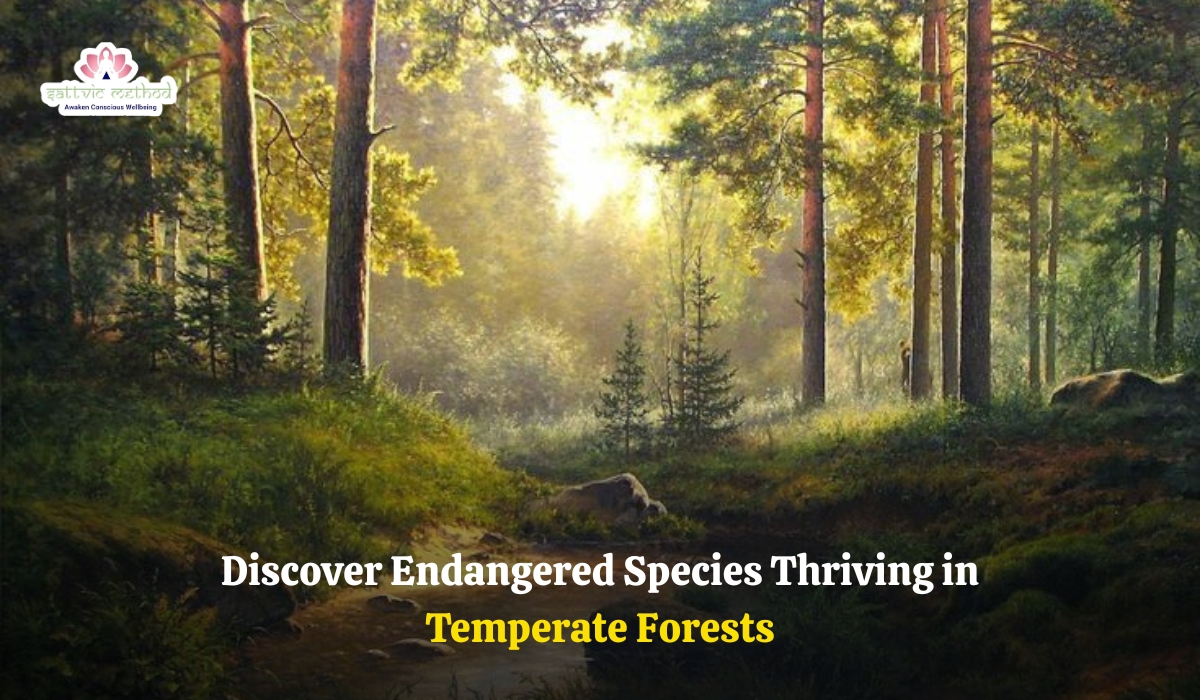
Discover Endangered Species Thriving in Temperate Forests
Explore the hidden wonders of temperate forests as we uncover the resilient
endangered species that call these vibrant ecosystems home.
Importance of Biodiversity in Temperate Forests
Temperate forests, which span regions from North America to Europe and Asia, are pivotal in maintaining global biodiversity. These ecosystems are characterized by their moderate climate and distinct seasonal changes, creating a unique environment that supports a wide range of flora and fauna. The biodiversity within these forests is not only essential for ecological balance but also provides numerous benefits to humans, such as clean air, water, and resources for medicine and agriculture.
One of the most critical roles of temperate forests is their function as biodiversity hotspots. These areas harbor a multitude of species, each contributing to the complex web of life. This biodiversity ensures ecosystem resilience, allowing forests to recover from disturbances such as fires, storms, and human activities. The intricate relationships between plants, animals, fungi, and microorganisms create a dynamic and self-sustaining environment that is vital for the health of our planet.
Moreover, temperate forests play a significant role in carbon sequestration, helping to mitigate climate change. The diverse plant life in these forests absorbs carbon dioxide
from the atmosphere, storing it in biomass and soil. This process not only reduces greenhouse gas levels but also supports the growth and development of the forest’s inhabitants. Preserving the biodiversity of temperate forests is crucial for maintaining these essential ecological functions and ensuring the stability of our global environment.
Overview of Endangered Species
Within the lush and vibrant temperate forests, numerous species are fighting for survival. These endangered species, ranging from majestic mammals to delicate plants, face various threats that put their existence at risk. Understanding the diversity and plight of these species is the first step toward effective conservation efforts.
Among the endangered mammals in temperate forests, the Amur leopard stands out as
one of the most critically endangered big cats. With fewer than 100 individuals remaining in the wild, this elusive predator faces threats from habitat loss, poaching, and human-wildlife conflict. The Amur leopard’s survival is crucial for maintaining the health of its ecosystem, as it helps control prey populations and maintain the balance of the food chain.
In addition to mammals, many bird species in temperate forests are also endangered.
The northern spotted owl, for instance, has seen a significant decline in population due
to habitat destruction and competition with invasive species. This nocturnal bird relies on old-growth forests for nesting and hunting, making the preservation of these habitats essential for its survival. Similarly, various plant species, such as the whitebark pine, are under threat from disease and climate change, highlighting the interconnectedness of all
life within temperate forests.
Factors Contributing to Endangerment
The endangerment of species in temperate forests can be attributed to a combination of
natural and human-induced factors. One of the primary causes is habitat loss and
fragmentation, driven by deforestation, urbanization, and agricultural expansion. As
forests are cleared or degraded, the habitats that these species rely on are diminished, leading to decreased populations and increased vulnerability.
Another significant factor contributing to the endangerment of species is climate change. The shifting climate affects temperate forests in various ways, including altering temperature and precipitation patterns. These changes can disrupt the delicate balance of ecosystems, affecting food availability, breeding cycles, and migration patterns.
Species that are unable to adapt quickly enough to these changes face increased risks
of decline and extinction.
Human activities such as pollution, overhunting, and the introduction of invasive species
also play a crucial role in the endangerment of species. Pollution, whether from industrial activities, agriculture, or urban areas, can contaminate water sources and soil, affecting the health of plants and animals. Overhunting and poaching reduce populations of targeted species, while invasive species can outcompete native species for resources, further exacerbating the pressures on endangered species in temperate forests.
Success Stories: Species Making a Comeback
Despite the numerous challenges facing endangered species in temperate forests, there are inspiring success stories of species that have made remarkable comebacks. These stories highlight the effectiveness of dedicated conservation efforts and provide hope for the future of other endangered species.
One such success story is that of the European bison, or wisent, which once roamed
the temperate forests of Europe in large numbers. By the early 20th century, the species
was nearly extinct due to overhunting and habitat loss. However, through concerted
efforts to breed and reintroduce bison into protected areas, their populations have steadily increased. Today, European bison can be found in several countries, contributing to the restoration of their natural habitats.
Similarly, the peregrine falcon has made a remarkable recovery after facing severe
declines due to pesticide use, particularly DDT, which caused eggshell thinning and reduced reproductive success. Following the ban on DDT and the implementation of breeding and reintroduction programs, peregrine falcon populations have rebounded.
These agile birds of prey are now thriving in many temperate forest regions, showcasing the impact of targeted conservation measures.
Another inspiring example is the recovery of the gray wolf in North America. Once
extirpated from much of their historical range due to hunting and habitat destruction, gray wolves have been reintroduced and protected in several regions. Their return has had positive ecological effects, such as controlling prey populations and promoting biodiversity. These success stories demonstrate that with dedication, resources, and
collaboration, it is possible to reverse the decline of endangered species in temperate forests.
Conservation Efforts in Temperate Forests
Effective conservation efforts are crucial for protecting endangered species in temperate forests. These efforts often involve a combination of habitat preservation, legal
protection, and scientific research to address the various threats facing these species.
One of the primary strategies for conservation is the establishment of protected areas, such as national parks and wildlife reserves. These areas provide safe havens for endangered species, where they can live and reproduce without the immediate threat of human activities. By preserving large, contiguous tracts of forest, these protected areas help maintain the ecological integrity of temperate forests and support the diverse species that inhabit them.
In addition to protected areas, legal frameworks and policies play a vital role in conservation. Laws such as the Endangered Species Act in the United States and the Habitats Directive in the European Union provide legal protections for endangered species and their habitats. These regulations help prevent activities that could harm these species and promote conservation initiatives. Enforcement of these laws, along with penalties for violations, is essential for ensuring their effectiveness.
Scientific research and monitoring are also critical components of conservation efforts.
By studying the behavior, population dynamics, and habitat requirements of endangered species, researchers can develop targeted conservation strategies. Monitoring
programs help track the progress of these efforts and identify new threats or challenges. Collaboration between governments, non-governmental organizations, and local communities is essential for the success of these conservation initiatives.
Role of Local Communities in Conservation
Local communities play a pivotal role in the conservation of endangered species in temperate forests. Their involvement and support are crucial for the success of conservation efforts, as they are often the stewards of the land and have a deep understanding of the local environment.
One way local communities contribute to conservation is through sustainable land
management practices. By adopting practices that promote the health of the forest ecosystem, such as sustainable forestry, agroforestry, and ecotourism, communities can support both their livelihoods and the conservation of endangered species. These practices help maintain habitat integrity, reduce deforestation, and promote biodiversity.
Education and awareness programs are also vital in engaging local communities in
conservation efforts. By raising awareness about the importance of biodiversity and the threats facing endangered species, these programs can inspire community members to
take action. Workshops, community meetings, and school programs can provide
valuable information and encourage participation in conservation activities.
Furthermore, involving local communities in decision-making processes ensures that
conservation initiatives are culturally appropriate and socially acceptable. By incorporating traditional knowledge and practices, conservation strategies can be more effective and sustainable. Empowering communities to take ownership of conservation efforts fosters a sense of responsibility and commitment, leading to long-term success in protecting endangered species in temperate forests.
How Climate Change Affects Endangered Species
Climate change poses a significant threat to endangered species in temperate forests, exacerbating existing challenges and introducing new risks. The impacts of climate change on these species are multifaceted, affecting their habitats, food sources, and overall survival.
One of the primary ways climate change affects temperate forests is through alterations in temperature and precipitation patterns. These changes can disrupt the delicate balance of ecosystems, leading to shifts in vegetation types and the availability of resources. For example, warmer temperatures may cause certain plant species to migrate to higher elevations or latitudes, leaving behind animals that rely on them for food and shelter. This can lead to a cascade of effects, ultimately impacting the entire food web.
Additionally, climate change can increase the frequency and intensity of extreme weather events, such as storms, droughts, and wildfires. These events can cause significant damage to forest habitats, reducing the availability of suitable areas for endangered species to live and reproduce. For instance, prolonged droughts can lead to water shortages, affecting both plant and animal species that depend on water sources within the forest. Wildfires can destroy large swathes of habitat, further fragmenting the landscape and isolating populations.
Furthermore, climate change can exacerbate the spread of diseases and invasive species. Warmer temperatures and changes in precipitation can create favorable conditions for the proliferation of pathogens and pests. Endangered species with limited populations and genetic diversity are particularly vulnerable to disease outbreaks, which can have devastating effects. Invasive species, which may thrive under changing climate conditions, can outcompete native species for resources, further threatening their survival.
Ways to Support Endangered Species Conservation
Supporting the conservation of endangered species in temperate forests requires a collective effort from individuals, organizations, and governments. There are several ways in which we can contribute to these vital conservation efforts.
One of the most effective ways to support conservation is through financial contributions
to organizations dedicated to protecting endangered species and their habitats. Many
non-governmental organizations (NGOs) and conservation groups rely on donations to fund their projects, which include habitat restoration, research, and community engagement. By donating to these organizations, individuals can directly contribute to the preservation of temperate forests and the species that inhabit them.
Volunteering is another impactful way to support conservation efforts. Many organizations offer volunteer opportunities that allow individuals to participate in fieldwork, habitat restoration, and educational programs. Volunteering not only provides hands-on experience and a deeper understanding of conservation issues but also helps boost the capacity of conservation projects.
Advocacy and raising awareness are also crucial components of conservation support.
By educating others about the importance of biodiversity and the threats facing endangered species, individuals can inspire action and build a broader base of support for conservation initiatives. Social media, community events, and public speaking engagements are effective platforms for spreading the message and encouraging others to get involved.
Additionally, individuals can support conservation by making sustainable lifestyle choices. This includes reducing resource consumption, minimizing waste, and supporting environmentally friendly products and practices. By choosing sustainable options, individuals can help reduce the pressure on natural habitats and contribute to the overall health of temperate forests.
Conclusion: The Future of Endangered Species in Temperate Forests
The future of endangered species in temperate forests is uncertain, but there is hope.
Through dedicated conservation efforts, the involvement of local communities, and the support of individuals worldwide, it is possible to protect and restore these vital ecosystems and the species that call them home.
While the challenges are significant, the success stories of species making a comeback
demonstrate that positive change is possible. By addressing the factors contributing to endangerment, such as habitat loss, climate change, and human activities, we can create a more favorable environment for endangered species to thrive.
It is essential to recognize that the conservation of temperate forests and their inhabitants is a shared responsibility. Governments, organizations, and individuals must work together to implement effective strategies, support scientific research, and promote sustainable practices. By doing so, we can ensure that temperate forests continue to be vibrant, biodiverse ecosystems where endangered species can flourish for generations to come.