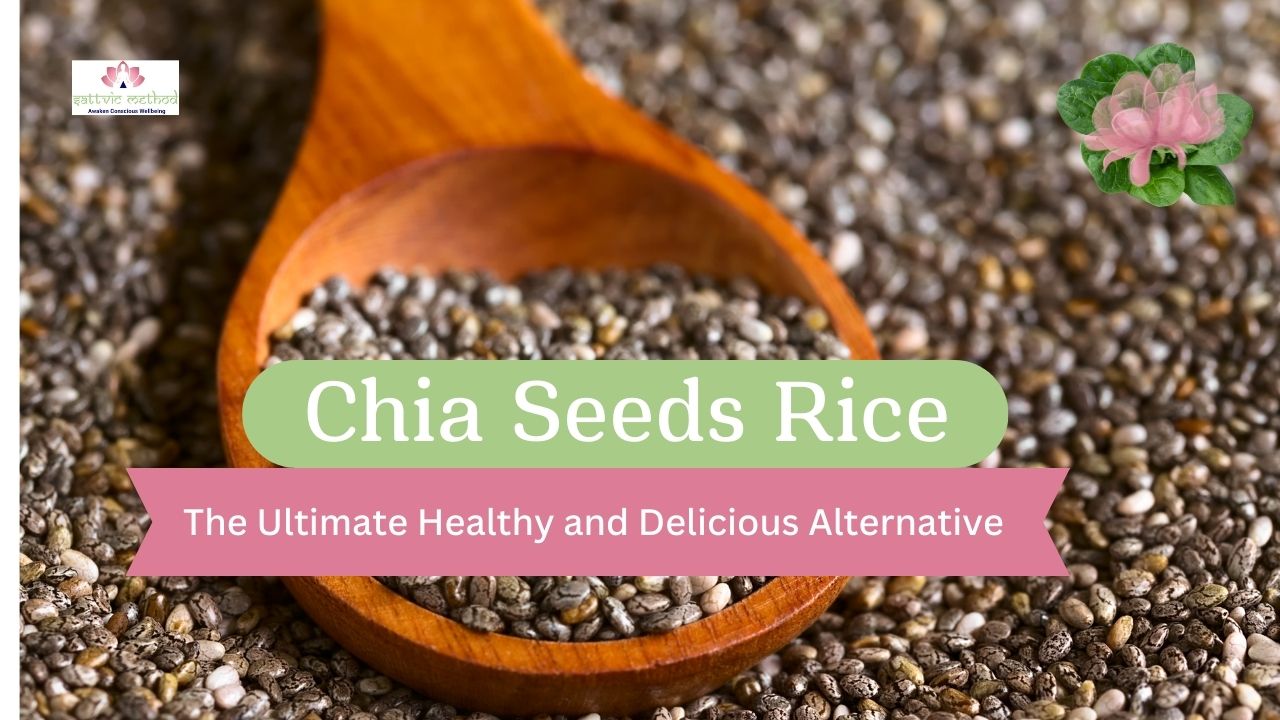
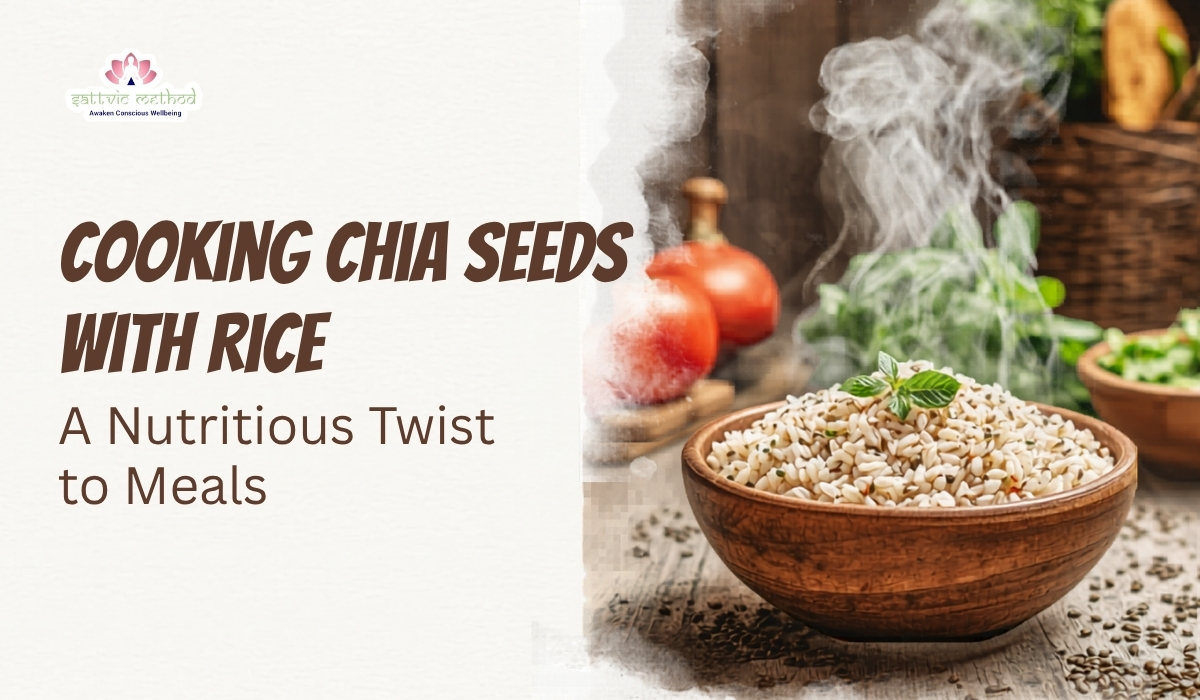
Cooking Chia Seeds with Rice: A Nutritious Twist to Meals
Elevate your meals with a nutritious twist by cooking chia seeds with rice. Discover
creative, delicious recipes that boost flavor and health!
Why Combine Chia Seeds with Rice?
Combining chia seeds with rice is an innovative way to enhance the nutritional value of your meals without compromising on flavor or texture. Chia seeds are a powerhouse of nutrients, including omega-3 fatty acids, fiber, protein, and various essential minerals.
When mixed with rice, which is a staple food in many cultures around the world, the
combination results in a dish that is not only filling but also brimming with health
benefits. This fusion allows you to enjoy the best of both worlds— the familiar comfort of
rice and the superfood qualities of chia seeds.
One of the main reasons to combine chia seeds with rice is to create a balanced meal.
Rice, especially white rice, tends to be high in carbohydrates but lacks significant amounts of protein, fiber, and healthy fats. Chia seeds can fill this nutritional gap effectively. Just a tablespoon of chia seeds contains roughly.
5 grams of fiber, 2 grams of protein, and 4 grams of fat, including omega-3 fatty acids.
By adding chia seeds to rice, you are essentially turning a simple carbohydrate into a
more complex and nutritious dish, adding layers of health benefits to every bite.
Moreover, the texture of chia seeds complements rice beautifully. When soaked, chia
seeds develop a gel-like consistency that can add a delightful chewiness to the rice.
This unique texture can make your rice dishes more interesting and enjoyable to eat.
Additionally, chia seeds have a very mild flavor, so they won’t overpower the taste of the
rice or any other ingredients in your dish. Therefore, combining chia seeds with rice is a subtle yet effective way to upgrade your meals, making them more nutritious and
enjoyable.
Different Types of Rice to Use with Chia Seeds
When it comes to pairing chia seeds with rice, the type of rice you choose can significantly affect the overall dish. Each variety of rice brings its own unique texture, flavor, and nutritional profile, which can either complement or contrast with the chia seeds. For instance, brown rice is a popular choice for its higher fiber content and nutty
flavor, which can pair well with the mild taste and slightly crunchy texture of chia seeds.
Brown rice is also less processed than white rice, retaining more of its natural nutrients, making it a healthier base for your chia seed and rice dish.
Jasmine and basmati rice are other excellent options to consider. These long-grain
varieties are known for their fragrant aroma and fluffy texture. Jasmine rice has a slightly sweet flavor, while basmati rice offers a more aromatic and nutty taste. Both types can benefit from the added nutritional boost of chia seeds without losing their characteristic qualities. The lightness of these rice varieties ensures that the chia seeds don’t weigh them down, making for a delightful, airy dish.
For those who prefer a more exotic touch, black or wild rice can be an intriguing choice.
These types of rice are rich in antioxidants and have a more robust, earthy flavor that
can stand up well to the unique texture of chia seeds. Black rice, in particular, is known
for its high levels of anthocyanins, which are powerful antioxidants. The combination of black rice and chia seeds not only creates a visually striking dish but also packs a significant nutritional punch. Regardless of the type of rice you choose, the addition of chia seeds can elevate your meal to new heights of taste and health.
How to Prepare Chia Seeds for Cooking
Preparing chia seeds for cooking is a straightforward process, but it can make a
significant difference in the final dish. The most common method is to soak the chia
seeds before adding them to your rice. Soaking chia seeds allows them to absorb water
and expand, forming a gel-like consistency. This not only makes them easier to digest
but also helps to distribute them more evenly throughout the rice. To soak chia seeds,
simply mix one part chia seeds with four parts water and let them sit for about 20-30
minutes. Stir occasionally to prevent clumping.
If you’re short on time, you can also add dry chia seeds directly to the rice while it’s cooking. However, this method requires careful attention to the liquid ratio in your recipe. Chia seeds absorb a lot of water, so you’ll need to add extra liquid to ensure that both the rice and the chia seeds cook properly. A general rule of thumb is to add an additional half cup of water for every tablespoon of chia seeds. This method will give the rice a slightly chewy texture, as the chia seeds will expand during the cooking process.
Another option is to grind the chia seeds into a fine powder before adding them to your
rice. This can be particularly useful if you want to incorporate chia seeds into the dish without altering its texture. Ground chia seeds can be mixed directly with the rice and cooked as usual. This method allows you to enjoy the nutritional benefits of chia seeds while keeping the texture of the rice more traditional. Whether you choose to soak, add dry, or grind the chia seeds, proper preparation is key to maximizing their benefits and ensuring a delicious final dish.
Cooking Techniques: Boiling, Steaming, and More
The way you cook your chia seed and rice dish can greatly influence its texture and flavor. Boiling is one of the simplest and most common methods. To boil chia seeds with rice, start by rinsing the rice thoroughly to remove any excess starch. Then, combine the rice with the appropriate amount of water and bring it to a boil. Once the water is boiling, add the chia seeds and reduce the heat to a simmer. Cover the pot and let it cook until the rice is tender and the chia seeds have absorbed the water, usually about 15-20 minutes. Stir occasionally to ensure even cooking.
Steaming is another excellent method for cooking chia seeds with rice, especially if you’re aiming for a lighter, fluffier texture. To steam, first soak the chia seeds separately as described earlier. Then, cook the rice in a rice cooker or steamer according to the manufacturer’s instructions. When the rice is almost done, add the soaked chia seeds and continue steaming for an additional 5-10 minutes. This method allows the chia seeds to integrate seamlessly with the rice, creating a cohesive dish with a delightful texture.
For those who enjoy experimenting in the kitchen, you might consider using a pressure cooker or an Instant Pot. These modern kitchen gadgets can significantly reduce cooking time while ensuring that the chia seeds and rice are cooked to perfection. To use a pressure cooker, combine the rinsed rice, chia seeds, and the appropriate amount of water. Seal the lid and cook on high pressure for about 6-8 minutes, then allow the
pressure to release naturally. This method not only saves time but also locks in the
flavors and nutrients, making for a delicious and nutritious meal.
Flavoring Your Chia Seed and Rice Dish
Adding flavor to your chia seed and rice dish is an essential step that can transform it
from a simple side into a standout main course. One of the easiest ways to infuse flavor
is by cooking the rice in a flavored liquid instead of plain water. Broths, such as vegetable, chicken, or beef, can add a rich, savory depth to the dish. For a more exotic twist, consider using coconut milk or a mixture of water and freshly squeezed citrus juice. These liquids not only enhance the flavor but also complement the mild taste of chia seeds beautifully.
Spices and herbs are another excellent way to elevate your chia seed and rice dish.
Common pantry spices like garlic powder, onion powder, cumin, and paprika can add
warmth and complexity. Fresh herbs such as cilantro, parsley, or basil can provide a burst of freshness and color. If you’re feeling adventurous, try adding a pinch of saffron or turmeric for a vibrant hue and unique flavor. The key is to experiment with different combinations to find what best suits your palate. Remember, a little goes a long way when it comes to spices and herbs.
Incorporating vegetables and proteins can also significantly enhance the flavor and
nutritional profile of your chia seed and rice dish. Sautéed onions, bell peppers, and
mushrooms can add a savory depth, while peas, carrots, and corn can bring sweetness and color. For added protein, consider mixing in cooked beans, tofu, or shredded chicken. These ingredients not only make the dish more filling but also create a harmonious blend of flavors and textures. By thoughtfully selecting your add-ins, you can turn a simple chia seed and rice dish into a well-rounded, flavorful meal.
Creative Recipes Featuring Chia Seeds and Rice
Exploring creative recipes featuring chia seeds and rice can open up a world of culinary
possibilities. One simple yet delicious option is Chia Seed and Rice Pudding. To make
this, cook your choice of rice—such as jasmine or basmati—in a mixture of milk and
water. Once the rice is tender, stir in soaked chia seeds, a touch of honey or maple
syrup, and a dash of vanilla extract. Let the mixture simmer until it thickens to your
desired consistency. Top with fresh berries, nuts, or a sprinkle of cinnamon for a
delightful dessert or breakfast option.
Another inventive recipe is Chia Seed and Rice Salad. Start by cooking a batch of brown or wild rice and let it cool to room temperature. In a large bowl, combine the cooked rice with soaked chia seeds, chopped vegetables like bell peppers, cucumbers, and cherry tomatoes, and a handful of fresh herbs such as parsley or cilantro. Dress the salad with a tangy vinaigrette made from olive oil, lemon juice, Dijon mustard, and a pinch of salt and pepper. This refreshing salad is perfect for a light lunch or a side dish at a summer barbecue.
For a savory main course, try making Chia Seed and Rice Stuffed Peppers. Begin by
cooking your preferred type of rice and soaking the chia seeds as usual. In a skillet,
sauté onions, garlic, and your choice of ground meat or a plant-based protein. Mix in the
cooked rice, chia seeds, and a can of diced tomatoes. Season with your favorite spices
and herbs, such as cumin, paprika, and oregano. Stuff the mixture into halved bell
peppers and bake at 375°F (190°C) for about 25-30 minutes, or until the peppers are tender. Top with shredded cheese or a dollop of Greek yogurt for added richness.
Tips for Storing Leftover Chia Seed and Rice Meals
Proper storage of leftover chia seed and rice meals is essential to maintain their freshness and flavor. One of the best ways to store leftovers is by using airtight containers. These containers help to keep out air and moisture, which can cause the food to spoil more quickly. Divide the leftovers into individual portions before storing them, as this makes it easier to reheat just the amount you need. Label each container with the date to keep track of how long the food has been stored.
When it comes to refrigeration, leftover chia seed and rice meals can generally be stored in the fridge for up to 4-5 days. Make sure the food has cooled to room temperature before refrigerating to prevent condensation, which can make the rice soggy. If you plan to store the leftovers for a longer period, consider freezing them.
Place the portions in freezer-safe bags or containers, removing as much air as possible to prevent freezer burn. Frozen chia seed and rice meals can last for up to 2-3 months. Reheating leftovers properly is just as important as storing them. To reheat in the
microwave, place the portion in a microwave-safe dish and cover it with a damp paper
towel. This helps to retain moisture and prevents the rice from drying out. Heat on high
for 1-2 minutes, stirring halfway through. For stovetop reheating, add a splash of water or broth to the pan and heat over medium-low, stirring occasionally until heated through. Proper storage and reheating methods ensure that your chia seed and rice meals
remain tasty and nutritious.
Health Benefits of Incorporating Chia Seeds into Your Diet
Incorporating chia seeds into your diet offers a plethora of health benefits that can
significantly enhance your overall well-being. One of the most notable benefits is their
high omega-3 fatty acid content. Omega-3s are essential fats that play a crucial role in brain function, reducing inflammation, and lowering the risk of chronic diseases such as heart disease. Just a small serving of chia seeds can provide a substantial amount of these beneficial fats, making them an excellent addition to any meal.
Chia seeds are also incredibly rich in fiber, which is essential for maintaining a healthy
digestive system. A single tablespoon of chia seeds contains about 5 grams of fiber,
which can help to promote regular bowel movements and prevent constipation. The
high fiber content also contributes to a feeling of fullness, which can aid in weight management by reducing overall calorie intake. Additionally, fiber helps to stabilize blood sugar levels, making chia seeds a great option for those managing diabetes or looking to prevent blood sugar spikes.
Another significant benefit of chia seeds is their high antioxidant content. Antioxidants help to combat oxidative stress in the body, which can lead to cell damage and contribute to the aging process and various diseases. By incorporating chia seeds into your diet, you can boost your antioxidant intake and support your body’s natural
defense mechanisms. These tiny seeds are also a good source of essential minerals
such as calcium, magnesium, and phosphorus, which are vital for bone health, energy
production, and overall cellular function. With so many health benefits, chia seeds are a
valuable addition to any diet.
Conclusion: Elevating Your Meals with Chia Seeds and Rice
Incorporating chia seeds with rice is a simple yet effective way to elevate your meals,
both in terms of flavor and nutritional value. From the variety of rice options available to the different cooking techniques and flavoring methods, the possibilities are endless.
Whether you’re looking to create a savory main course, a refreshing salad, or a delightful dessert, chia seeds can add that extra touch of health and texture to your dish. Proper preparation and storage ensure that you can enjoy these benefits conveniently and deliciously.
The health advantages of chia seeds, including their high omega-3 fatty acid content,
rich fiber, and antioxidant properties, make them a superfood worth incorporating into your diet. By combining them with rice, a staple food enjoyed worldwide, you can create balanced, nutritious meals that are both satisfying and beneficial for your overall health.
The fusion of chia seeds and rice not only enhances the nutritional profile of your meals but also introduces new textures and flavors that can make everyday eating more
exciting.
So why not take your meals to the next level by experimenting with chia seeds and rice?
With the creative recipes and tips provided, you can easily start incorporating this
nutritious combination into your diet. Elevate your culinary creations and enjoy the
myriad health benefits that come with this simple yet powerful addition to your meals.
Whether you’re a seasoned chef or a home cook looking to try something new, cooking
with chia seeds and rice is a delicious journey worth embarking on.