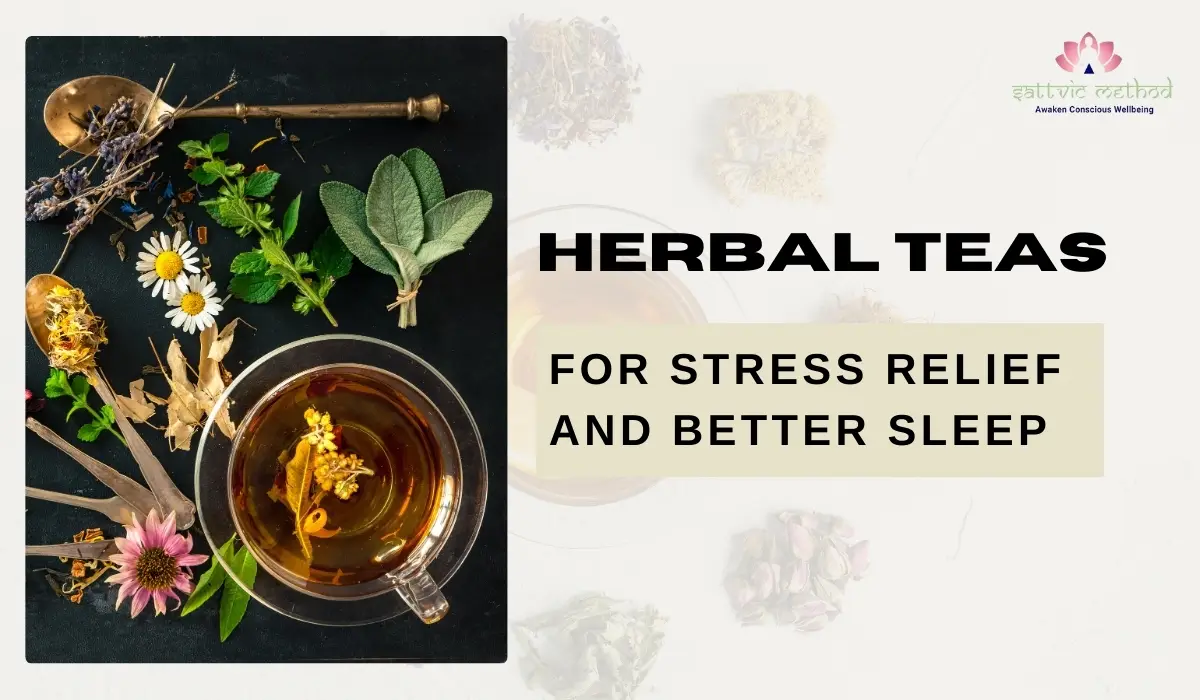
Herbal Teas for Stress Relief and Better Sleep
In today’s fast-paced world, stress and restless sleep have become common companions for many of us. Endless screen time, busy schedules, and mental overload often leave the nervous system overstimulated long after the day ends. While modern solutions frequently turn to supplements or sleep aids, ancient wellness traditions remind us that nature already offers gentle, effective support. One such timeless remedy is herbal tea.
Herbal teas have been used for centuries across cultures to calm the mind, relax the body, and promote deep, restorative sleep. When prepared mindfully, these teas become more than a beverage; they turn into a soothing ritual that signals to the body it’s time to slow down.
Why Herbal Teas Help with Stress and Sleep
Herbal teas are naturally caffeine-free and rich in plant compounds that interact with the nervous system. Many herbs contain adaptogenic, sedative, or calming properties that help regulate cortisol levels, relax muscles, and quiet mental chatter. Unlike synthetic sleep aids, herbal teas work gently, supporting the body’s natural rhythms rather than forcing sleep.
Sipping warm tea also activates the parasympathetic nervous system, the body’s “rest and digest” mode, making it easier to unwind emotionally and physically.
Best Herbal Teas for Stress Relief
1. Chamomile Tea
Chamomile is one of the most well-known herbs for relaxation and sleep support. It contains apigenin, an antioxidant that binds to receptors in the brain, helping reduce anxiety and promote drowsiness. A cup of chamomile tea in the evening can ease nervous tension and prepare the body for rest.
Best time to drink: 30–60 minutes before bedtime
2. Ashwagandha Tea
Ashwagandha is a powerful adaptogen that helps the body manage stress more effectively. Rather than sedating the system, it balances cortisol levels and supports emotional resilience. Regular consumption may help reduce stress-related insomnia and daytime anxiety.
Best time to drink: Early evening or after dinner
3. Tulsi (Holy Basil) Tea
Tulsi is revered in Ayurvedic tradition for its calming and clarifying effects. It helps stabilize mood, supports adrenal health, and gently relaxes the nervous system. Tulsi tea is especially helpful for those who experience mental restlessness at night.
Best time to drink: Evening or during stressful afternoons
4. Lemon Balm Tea
Lemon balm has a mild sedative effect and is known to reduce symptoms of anxiety, irritability, and insomnia. Its light citrus aroma is uplifting yet calming, making it ideal for stress relief without heaviness.
Best time to drink: Late afternoon or before bed
Herbal Teas That Promote Better Sleep
5. Valerian Root Tea
Valerian root is often called “nature’s tranquilizer.” It helps improve sleep quality by reducing the time it takes to fall asleep and increasing deep sleep phases. Its earthy taste can be strong, so blending it with milder herbs like chamomile is often recommended.
Best time to drink: 30 minutes before sleep
6. Lavender Tea
Lavender is deeply soothing for both mind and body. Its aroma alone can reduce anxiety and lower heart rate. Lavender tea helps relax muscles, calm racing thoughts, and create an ideal state for sleep.
Best time to drink: Before bedtime as part of a nighttime ritual
7. Passionflower Tea
Passionflower is excellent for quieting an overactive mind. It increases gamma-aminobutyric acid (GABA) in the brain, which reduces mental stimulation and promotes relaxation. This tea is especially helpful for people who wake frequently during the night.
Best time to drink: Evening or before sleep
Creating a Nighttime Tea Ritual
The benefits of herbal tea extend beyond the herbs themselves. Creating a consistent nighttime ritual enhances their effectiveness:
- Turn off screens 30–60 minutes before bed
- Prepare your tea slowly and mindfully
- Sit in silence or soft lighting while sipping
- Take deep breaths between sips
- Avoid multitasking, allow the moment to be calm
This intentional practice helps train your body to associate tea time with rest and safety.
Tips for Best Results
- Choose organic, high-quality herbs whenever possible
- Avoid sweeteners or use natural options like jaggery or raw honey (if appropriate)
- Drink teas warm, not hot
- Stay consistent, herbal support works best over time
- Listen to your body and adjust blends accordingly
A Gentle Path to Restful Sleep
Stress relief and better sleep don’t require drastic measures. Sometimes, the simplest practices bring the deepest healing. Herbal teas offer a nurturing, time-honored way to reconnect with your body’s natural ability to relax and restore. With regular use, they can help soften stress, calm the mind, and invite deeper, more peaceful sleep, one comforting cup at a time.
Looking to bring more calm and conscious rituals into your daily life? Explore our thoughtfully curated wellness resources, herbal guides, and mindful living practices to support your journey toward balance and inner peace.