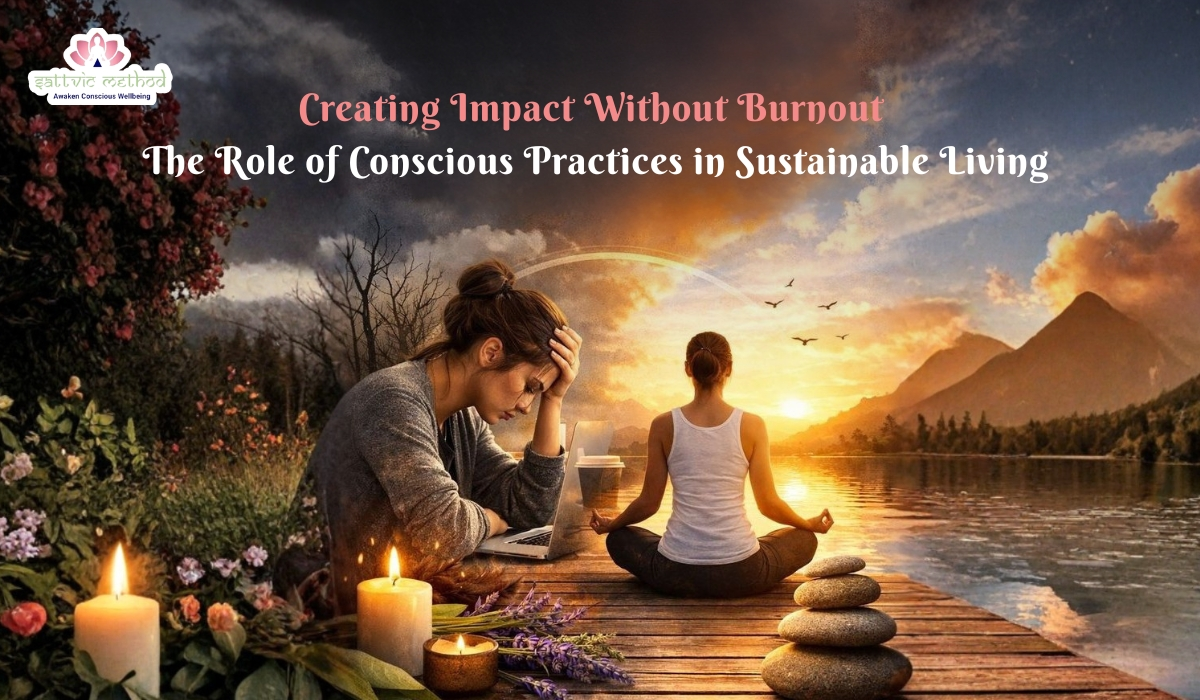
Creating Impact Without Burnout: The Role of Conscious Practices in Sustainable Living
Have you ever felt the desire to make a difference, live more sustainably, contribute meaningfully, or support the world around you, yet found yourself feeling overwhelmed, exhausted, or stretched too thin?
You’re not alone.
In today’s fast-paced world, many people are trying to “do better”, for their health, their communities, and the planet. But somewhere along the way, the pressure to constantly improve can turn into burnout instead of balance.
So the real question becomes:
Is it possible to create a meaningful impact without losing your energy in the process?
Why Does “Doing Good” Sometimes Lead to Burnout?
At first, the intention was pure. You want to eat healthier, live more consciously, reduce waste, or contribute to something larger than yourself.
But over time, it can start to feel like:
-
- There’s always more to do
-
- You’re never doing enough
-
- Every choice carries pressure
This constant mental load can quietly lead to fatigue.
What’s often missing isn’t motivation, it’s a sustainable approach to living consciously.
Because when actions are driven by pressure instead of awareness, even the most meaningful efforts can become draining.
What If Sustainability Started Within You?
We often think of sustainability in terms of the environment, what we consume, how we reduce waste, and the impact we create externally.
But what about internal sustainability?
-
- Are your habits supporting your energy?
-
- Are your daily choices creating calm or stress?
-
- Are you moving from intention or obligation?
Without inner balance, even the best external actions become difficult to maintain.
This is where conscious practices come in, not as another task, but as a way to restore alignment between your actions and your energy.
What Are Conscious Practices?
Conscious practices are simple, intentional actions that bring awareness into your daily life. They are not about perfection; they are about presence.
These can include:
-
- Mindful eating
-
- Slowing down your daily routines
-
- Spending time in nature
-
- Breathing practices
-
- Reflecting before making decisions
At their core, conscious practices help you shift from reactive living to intentional living.
How Do Conscious Practices Prevent Burnout?
Have you ever noticed how different you feel when you slow down, even briefly?
That’s because your nervous system shifts, from constant stimulation to a more balanced state.
Here’s how conscious practices support sustainable living:
1. They Reduce Mental Overload
Instead of constantly thinking about what to fix or improve, you begin to focus on what is present right now. This reduces overwhelm and creates clarity.
2. They Align Action with Energy
When you’re more aware, your choices become more intentional. You naturally choose what feels supportive rather than forcing habits that drain you.
3. They Build Sustainable Habits
Quick changes often don’t last. But small, mindful shifts, like eating with awareness or choosing fresh food, become part of your lifestyle over time.
4. They Restore Emotional Balance
Conscious practices help you respond rather than react. This reduces emotional exhaustion and creates a sense of calm.
From Pressure to Presence: A New Way to Create Impact
What if creating impact didn’t mean doing more, but doing things differently?
Instead of asking:
-
- What else should I add to my routine?
You might begin asking:
-
- How can I bring more awareness to what I’m already doing?
For example:
-
- Cooking can become a mindful ritual instead of a task
-
- Eating can become nourishment instead of a habit
-
- Daily routines can become moments of grounding
This shift doesn’t require more time; it requires a different quality of attention.
Practical Ways to Begin (Without Overwhelm)
If you’re looking to live more consciously without burning out, start small:
1. Begin with One Daily Practice
Choose something simple, like eating one meal without distractions.
2. Slow Down One Routine
Whether it’s cooking, walking, or even drinking tea, bring awareness to the moment.
3. Reconnect with Nature
Even a few minutes outdoors can help reset your mind and energy.
4. Check in With Yourself
Before making a choice, ask:
-
- Is this supporting my well-being?
These small steps create a ripple effect, without adding pressure.
Sustainable Living Is Not About Perfection
One of the biggest misconceptions about conscious living is that it requires doing everything “right.”
But true sustainability isn’t about perfection, it’s about consistency and compassion.
There will be days when things feel off. That’s natural.
What matters is returning to awareness, again and again.
Creating Impact That Lasts
You don’t need to push harder to make a difference.
You don’t need to overwhelm yourself to live consciously.
Real impact comes from aligned, sustainable action, the kind that supports both your well-being and the world around you.
So perhaps the question isn’t:
How can I do more?
But rather:
How can I live, act, and contribute in a way that feels balanced and sustainable, for me and for the world?
Because when you are nourished, grounded, and aware, your impact becomes not just powerful, but lasting.
Ready to explore conscious living in a deeper, more sustainable way?
Discover guided practices, courses, and mindful resources at The Sattvic Method Company and begin your journey toward balance, clarity, and meaningful impact.